


The trigger is often predictable
A payroll transformation may begin with a deadline, but the conditions behind that deadline are rarely a complete surprise. Payroll leaders can already see the direction of travel in regulation, technology, workforce expectations and business strategy.
Across the EU, Member States were required to transpose the Pay Transparency Directive by 7 June 2026. The rules affect pay information, employee requests, reporting and the way organisations manage pay data. In India, the four Labour Codes took effect on 21 November 2025, according to the Ministry of Labour and Employment, introducing changes across wages, social security, industrial relations and working conditions. These examples come from different jurisdictions, but they point to the same reality: payroll operates in an environment of continual change.
In Australia, Payday Super began on 1 July 2026, changing when employers pay superannuation contributions. Since 1 January 2025, intentionally underpaying wages or entitlements can also be a criminal offence under Australian workplace law, according to the Fair Work Ombudsman.
Compliance is only one source of pressure. Technology reaches end of life. Costs come under scrutiny. Businesses acquire, restructure and expand. Payroll expertise becomes harder to recruit or retain. New technology creates opportunities to automate work that previously required people.
Some triggers are urgent. Others are foreseeable for years. Waiting can allow the trigger to determine what needs to change, when the programme must happen and where the organisation focuses first.
Why waiting changes the transformation
An externally imposed deadline can make the business case easier to explain. It can also compress the programme. Timelines shorten, resources must be mobilised quickly and the immediate requirement begins to shape scope and priorities.
That pressure can add cost and risk. Teams may need temporary workarounds, additional support or parallel workstreams while continuing to run business-as-usual payroll. A compliance deadline may determine the sequence before the organisation has had time to assess the wider operating model.
Starting earlier creates different conditions. Leaders can understand the current environment, compare options, sequence change around business priorities and bring stakeholders into the decision. That control creates more room to simplify the work before the next requirement arrives.
What proactive transformation makes possible
Respond faster to change
Payroll requirements will continue to evolve. Simplifying processes, reducing fragmentation and creating a more flexible technology and delivery environment make future changes easier to accommodate.
The objective is not to launch a major transformation every time a requirement changes. It is to create a payroll function that can respond without rebuilding the whole environment each time.
Reduce risk and improve control
Manual processes, fragmented systems, unclear responsibilities and dependencies across people and providers make payroll harder to control. They also make it harder to understand the effect of a change before it reaches employees.
Transformation creates an opportunity to simplify processes, strengthen controls, improve data flows and reduce unnecessary dependencies. The result is a payroll environment where controls are designed into the operating model instead of added as workarounds.
Build resilience for the future
A resilient payroll function does not depend on everything remaining as it is today. It combines the technology, people, expertise and delivery model needed to respond when requirements, workforce structures or business priorities change.
That resilience may come from automation, stronger internal capability, specialist partners, Application Management Services (AMS), selective outsourcing or Managed Payroll. The right answer depends on what the organisation wants to retain, where it needs support and how those requirements are likely to change.
Build a business case around the whole payroll environment
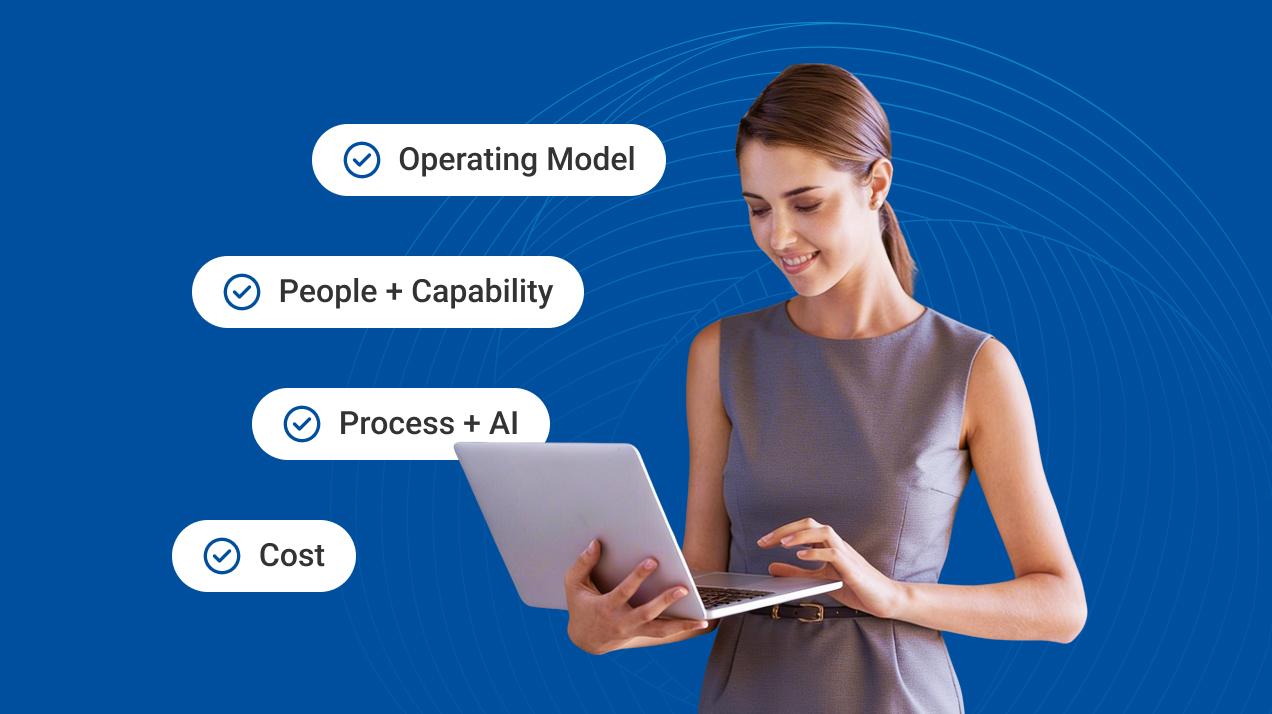
A proactive business case should look beyond whether payroll works today. It should test whether the current environment is the one the organisation would deliberately design for its next stage of growth. Four questions provide a practical starting point:
- Cost. What does payroll really cost across internal effort, technology, providers, integrations, corrections and coordination?
- Process and AI. Which activities are repetitive, manual or dependent on rework, and where could automation or AI-assisted controls be used responsibly?
- People and capability. Which expertise should remain internal, which skills are difficult to maintain and where would specialist support add value?
- Operating model. What combination of people, technology and services would deliver the required control, flexibility and cost over time?
Together, these questions create a broader case for change. The goal is not to justify a predetermined platform or delivery model. It is to understand the outcomes the organisation needs and the payroll model best placed to deliver them.
Choose the model that fits the future
There is no single destination for payroll transformation. Some organisations will modernise an in-house function with better technology, automation and AMS. Others will use a hybrid model, retaining selected capabilities internally while using specialist support for defined activities. Managed Payroll provides another route for organisations looking for broader operational support and access to specialist capability.
The advantage of starting the conversation early is the ability to consider these choices properly. The starting point can be the outcomes the organisation wants to achieve, rather than a predetermined technology or delivery model.
Transform on your terms
No transformation leader can predict the next regulatory requirement, technology development, acquisition, cost mandate or capability challenge. Leaders can influence how prepared payroll is to respond.
Waiting for a trigger can make the immediate case for transformation more obvious. It can also allow that trigger to set the timeline, scope and priorities. Acting earlier creates choice. It gives leaders time to build the case, assess the options, bring stakeholders with them and decide what should change and what should stay.
Payroll does not need to be failing for transformation to make business sense. A deliberate programme can improve control today and create the capacity to respond when the next change arrives.
Get in touch with our team here.