Hybrid work has reshaped how organisations meet their workforce, yet it has left many struggling to understand what employees need in 2026. Let's examine how effective employee experience management unlocks engagement, productivity, and retention through modern tools, evidence-based methods and integrated solutions that elevate hybrid performance.
Hybrid workplaces did not disappear after the pandemic. Their existence has, however, led to an increasing need for meaningful, digitally enabled employee experiences. Employees expect simple, connected interactions across tools and touchpoints.
Employee experience management is now a strategic priority. Organisations that collect, analyse and act on experience data report stronger engagement, with Gallup finding they increase productivity by 14% and 21% less turnover. This environment creates an opportunity to elevate hybrid work through modern employee experience solutions, analytics, and automation. Let's explore how.
Key takeaways
- Employee experience management enables organisations to elevate hybrid performance through continuous insight and action.
- Hybrid work raises expectations for immediacy, transparency and digital-first interactions.
- A strong employee experience management framework integrates data sources, analytics, and structured response workflows.
- Evidence-based employee experience management strategies improve engagement, productivity, and retention.
- Employee experience solutions such as Zalaris PeopleHub, Zalaris Analytics and Zally enable seamless collection, analysis, and action in hybrid environments.
Why employee experience management matters in a hybrid world
Hybrid work has changed how employees engage with HR processes, managers, and teams. Organisations now manage experiences across office, home and on-the-go contexts, which increases reliance on digital tools and consistent communication. Strong employee experience management creates connected, efficient and high-performing hybrid cultures.
Hybrid expectations continue to rise. 2024 data from the Office for National Statistics shows that 28% of UK workers operate in hybrid arrangements, reinforcing the permanence of hybrid work. Employees want autonomy, clarity and supportive technology, while organisations need insight into sentiment, wellbeing, workload, and friction points.
When employee experience gaps remain unaddressed, engagement drops, and productivity slows. CIPD’s research found that organisations with strong experience-led cultures report higher levels of purpose and belonging. High-quality experiences advance retention, resilience, and agility.
Employee experience management, therefore, plays a critical strategic role. It empowers organisations to understand reality on the ground, act quickly and continuously refine the hybrid environment.
Improving employee experience in 2026
Employee experience management in 2026 relies on a clear structure that aligns purpose, data, and accountability, supported by a clear framework, practical strategies, and effective solutions that strengthen how organisations engage, empower, and enable their hybrid workforce.
Building a strong employee experience management framework
A strong employee experience management framework gives hybrid teams clarity and direction, ensuring consistent and positive experiences across countries, functions, and digital environments. This framework supports a seamless employee experience journey that fosters engagement, satisfaction, and retention throughout the entire employee lifecycle.
1. Define strategic outcomes and experience principles
Identify the desired organisational outcomes that employee experience management will deliver in areas such as engagement, wellbeing, productivity, or retention. Establish guiding principles that shape decision-making and reinforce the organisation’s expectations for hybrid work.
2. Map the employee journey framework
Outline the key components of the employee experience, including culture, leadership, communication, digital experience, development, and HR service delivery. This framework forms the blueprint for how the workforce interacts with the organisation, regardless of location.
3. Establish an integrated insights foundation
Create a cohesive environment where experience data, operational data and behavioural indicators can be interpreted together. This foundation enables HR leaders and team managers to understand patterns and make informed decisions without relying on isolated data points.
4. Create governance and ownership models
Assign responsibility for experience outcomes across the organisation. Define how decisions are made, how priorities are set and how improvements move from insight to implementation. Governance ensures alignment and consistency across hybrid teams.
5. Embed continuous improvement cycles
Introduce structured cycles for reviewing insight, evaluating performance against experience outcomes, rewarding employees and refining priorities. These cycles maintain momentum, highlight opportunities for growth and improve employee satisfaction.
Translating the framework into an employee experience strategy for hybrid workplaces
Employee experience management strategies translate the framework into daily practice, focusing on actionable methods that shape meaningful, responsive experiences in hybrid environments.
- Continuous listening across the employee lifecycle, using short, mobile-friendly feedback moments, ensures timely insights are captured.
- Real-time feedback, collected through conversational and embedded channels, helps organisations quickly identify emerging issues and direct actions to the right teams.
- Sentiment analysis and text analytics reveal recurring themes, employee concerns, and opportunities for improvement.
- Alignment with wellbeing programmes, performance cycles, and manager capability development ensures strategies support organisational priorities.
- Transparent communication channels clarify how insights inform improvements.
- Ready-to-use action plans and nudges equip managers to respond effectively to their team’s needs.
- Predictive analytics identifies retention risk and workload imbalance early, allowing proactive interventions.
- Consistent digital employee journeys provide seamless access to HR services, learning, pay, and support.
- Collaboration insights monitor connection, meeting load and digital intensity, promoting productivity and wellbeing within hybrid teams.
- Cross-functional ownership aligns HR, IT, and business leaders around shared experience metrics, strengthening accountability and consistency across the organisation.
Choosing the right employee experience solutions
Selecting effective employee experience solutions determines how effectively an organisation can put its employee experience framework and strategies into practice. The right platform unifies listening, analytics and action while supporting employees regardless of location.
Below are the key features for organisations to prioritise and an example of Zalaris’ solutions and services.

Key features and benefits for hybrid teams
| Multichannel feedback collection | Zally, an always-on AI assistant enables in-the-flow feedback through chat, mobile and embedded widgets. |
|---|---|
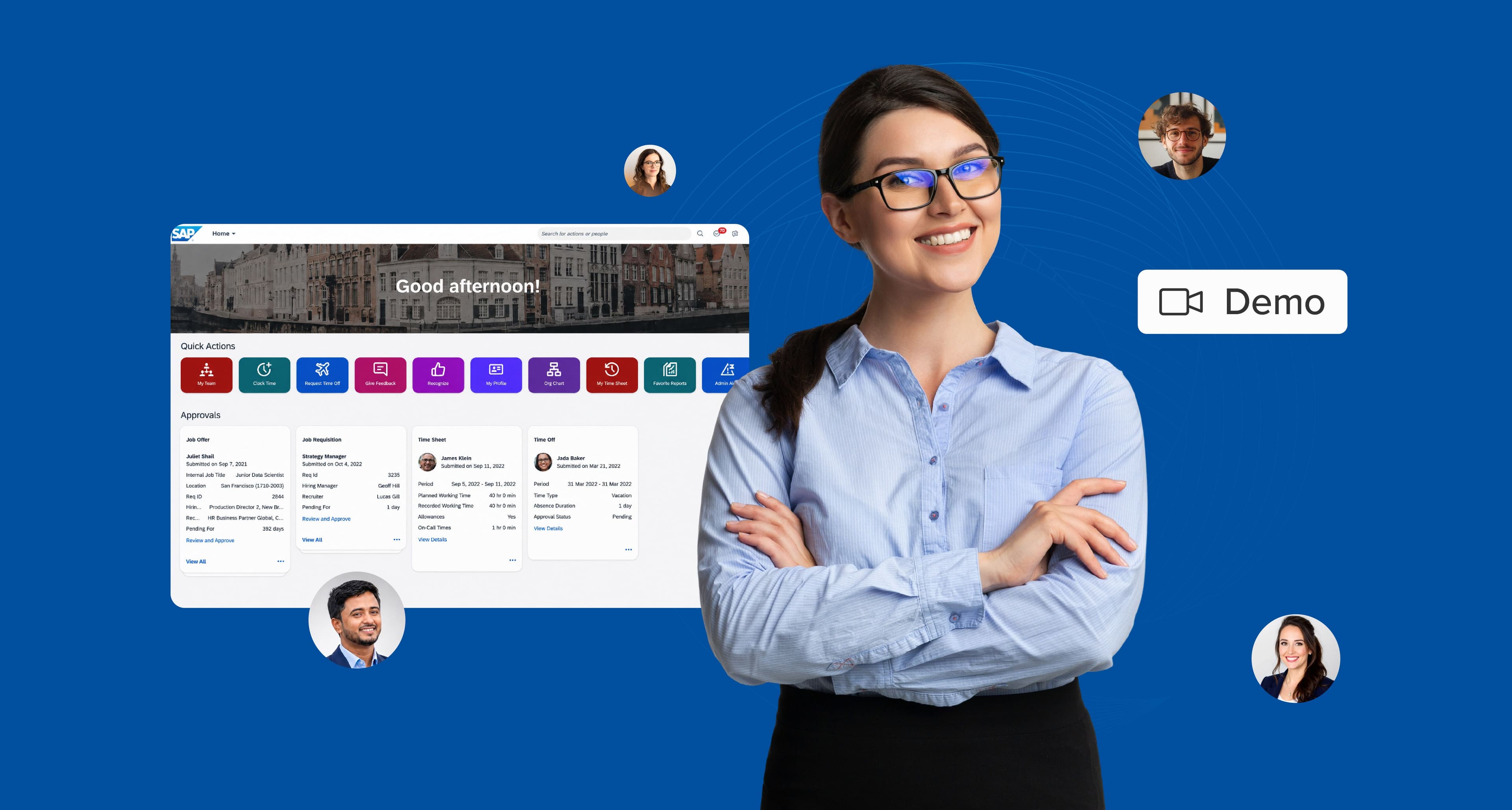
| Integrated HR and payroll services | Zalaris PeopleHub centralises services, documents, pay, and case management to simplify everyday experiences. |
| Learning and development systems | Foster learning and development opportunities with the Zalaris PeopleHub Talent Management solution. |
| Advanced analytics and dashboards | Zalaris PeopleHub People Analytics provides predictive models, sentiment trends and actionable insights to support strategic HR decisions. |
| Scalability across geographies | With Zalaris’ consulting services, organisations receive support navigating complex, multinational environments that require harmonised frameworks and local compliance. |
| Seamless integration with SAP SuccessFactors and other HR ecosystems | Zalaris maintains deep SAP expertise as a long-standing SAP Gold Partner, enabling streamlined hybrid operations. |
By combining listening, analytics, and action, these solutions help organisations execute their employee experience strategies, strengthen the framework in practice, and enhance hybrid workforce engagement and agility.
Effective employee experience management is essential for hybrid success in 2026
Improving employee experience in 2026 enables organisations to deliver high performance, strong engagement, and agile hybrid working cultures. Effective employee experience management connects continuous employee feedback, advanced analytics, and structured action plans, helping leaders understand the real employee experience and respond quickly across distributed environments. Organisations gain stronger employee retention, higher trust, and more consistent performance outcomes through these targeted efforts.
Zalaris supports this critical shift by providing comprehensive employee experience solutions that integrate HR services, digital tools, advanced analytics, and conversational engagement assistants. Zalaris PeopleHub, People Analytics, and Zally create a modern, connected experience ecosystem that enhances hybrid collaboration, insight quality, and overall workforce outcomes, empowering organisations to thrive in the evolving hybrid workplace landscape.
To explore how Zalaris transforms employee experience management, book a conversation with the Zalaris team today.
FAQ

Elliot Raba
Enterprise Sales Executive
Elliot is a dynamic and results-driven Enterprise Sales Executive at Zalaris UK&I, where he excels in crafting innovative solutions that address the unique needs of his clients. With a keen understanding of the intricacies of enterprise level operations, Elliot leverages his extensive industry knowledge to drive business growth and foster lasting partnerships.