
Employee flexibility
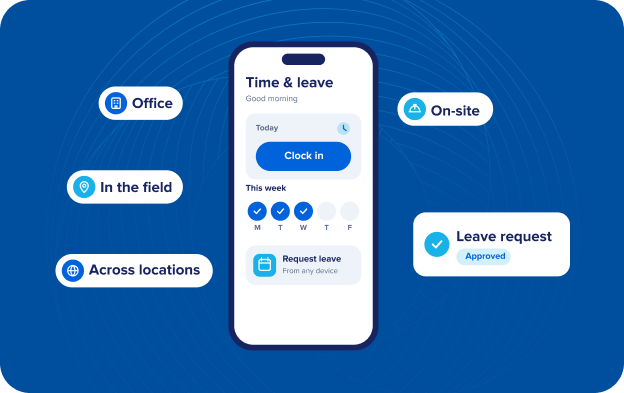
Employees should be able to record time and request leave in a way that fits how they work, whether they are based in an office, on-site, in the field or working across locations.
Modern organisations need more from HR technology than a digital employee database. HR software must connect people data, payroll, time, absence, talent and reporting in a way that supports both everyday administration and longer-term workforce decisions.
For organisations operating across countries, business units or complex workforce structures, the challenge is greater. HR teams may be working with disconnected systems, manual spreadsheets, local payroll processes and different approaches to time tracking. The result can be duplicated data, inconsistent processes, limited reporting and a heavy administrative burden.
An HCM platform brings these processes together. It provides a connected foundation for managing the employee lifecycle, from recruitment and onboarding through to payroll, performance, development and offboarding. With the right operating model, an HCM platform can also support workforce management, compliance and more informed workforce decisions.
Zalaris PeopleHub combines HR and payroll software with the consulting, implementation and managed services needed to help organisations simplify their HR operations and manage their workforce with greater control.
HR software is technology that helps organisations manage employee information and recurring human resources processes. Depending on the solution, this can include employee records, organisational structures, absence, recruitment, onboarding, payroll, performance management, learning, reporting and employee self-service.
At its most basic level, HR software replaces manual records and disconnected spreadsheets. More advanced solutions create a shared system of record that allows information to flow between HR, payroll, finance, managers and employees.
This distinction matters. HR software is not only an administrative tool. When employee information is accurate, connected and accessible, HR teams can spend less time reconciling data and more time supporting workforce planning, employee experience and business priorities.
Although the terms HR software, HRIS, HRMS and HCM platform are sometimes used interchangeably, they can describe different levels of capability:
| Term | Typical focus |
|---|---|
| HR software |
|
| HRIS |
|
| HRMS |
|
| HCM Platform |
|
Choosing an HCM platform is only the starting point. The platform also needs to reflect how your organisation structures its workforce, manages employee data, runs payroll and makes decisions. This may require changes to existing processes, connections with other systems and a clear plan for how employees, managers and HR teams will adopt new ways of working.
The work often begins before implementation, with an assessment of the current HR technology landscape and the design of a future operating model. It can then involve configuring the platform, migrating and integrating data, testing workflows and validating that the solution supports both global standards and local requirements.
The same attention is needed after go-live. Organisations may need support as they move from on-premise systems to the cloud, introduce new modules, respond to regulatory or business changes, or improve how the platform is used over time. Zalaris supports these stages through SAP HCM and SAP SuccessFactors advisory, implementation, data migration, integration, change support, cloud migration, optimisation and application support.
This is what distinguishes an HCM platform from a standalone software purchase. The technology provides the foundation, but the surrounding expertise helps ensure that it works within the organisation’s wider HR and workforce model.
Workforce management is the discipline of aligning an organisation’s workforce with the way its work needs to be delivered. It connects strategic workforce planning with everyday decisions about staffing, working patterns, availability, absence and capacity.
For a shift-based organisation, this may mean ensuring that the right number of people with the right skills are available at each location. For a professional services organisation, it may involve understanding how employee time is allocated across projects. In a multinational organisation, it may also mean applying different working-time rules, collective agreements and payroll requirements across countries without losing a consistent view of the workforce.
Effective workforce management therefore requires more than filling shifts or recording hours. It involves balancing business requirements with employee availability, fair working practices, labour costs and compliance. Poorly managed processes can create understaffing, unnecessary overtime, inaccurate pay and frustration for employees and managers. Well-designed processes give leaders better visibility, help managers respond to changing requirements and provide employees with greater clarity about their working time.
Workforce management software supports this discipline by connecting planning, scheduling, time tracking, absence, approvals and reporting. It provides the data and workflows needed to turn workforce decisions into accurate, payroll-ready information.
HR software can support the full employee lifecycle, including:
The right combination depends on the organisation. A company may begin with core HR and time tracking, then add payroll, talent or analytics as its requirements develop. A modular approach can make transformation more manageable, particularly when the organisation is replacing legacy systems or integrating an existing HR landscape.
For larger or international organisations, the technology must also support local requirements. Working-time rules, absence categories, payroll legislation, collective agreements and reporting expectations can vary between countries and sectors.
Time tracking software turns working time into structured workforce data. It captures when people work, what they work on and which rules apply, then connects that information to absence, scheduling, payroll and reporting.
That process becomes more complex when an organisation has different working patterns, multiple locations, frontline employees, collective agreements or operations across countries. The system must be flexible enough to reflect local requirements while creating a consistent process for employees, managers and HR.
The value is therefore not simply in recording hours. It lies in creating a reliable connection between what was planned, what actually happened and what needs to happen next. A missed clock-in, an unapproved absence or an incorrectly recorded overtime entry can affect staffing decisions, payroll, employee trust and compliance.
Manage multi-country operations in one connected platform with a clear, standardised service model from setup to employee self-service.

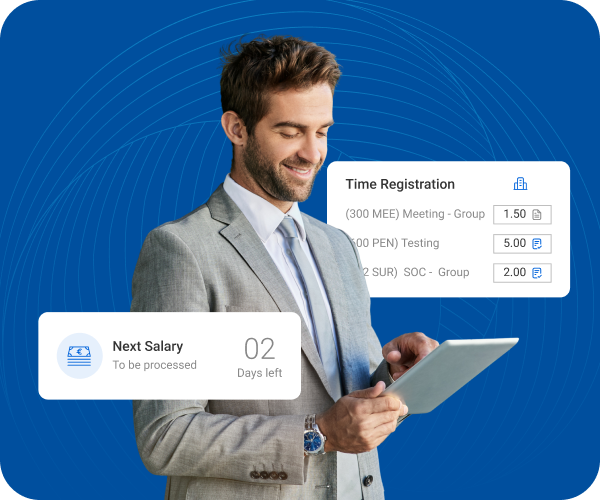
Employees record working time, breaks, absence or other activities through the most appropriate channel for their role, such as a mobile device, browser, digital clock or workplace application.

The system evaluates the data against relevant working patterns, shift rules, overtime policies, absence categories, collective agreements and country-specific requirements.

Employees and managers can review entries, approve requests and correct exceptions. This creates an opportunity to address missing or inaccurate information before it reaches payroll.

Approved time data can flow into payroll, reporting and workforce planning. HR and operational leaders gain a clearer view of attendance, absence, overtime, labour costs and capacity.
Employees should be able to record time and request leave in a way that fits how they work, whether they are based in an office, on-site, in the field or working across locations.
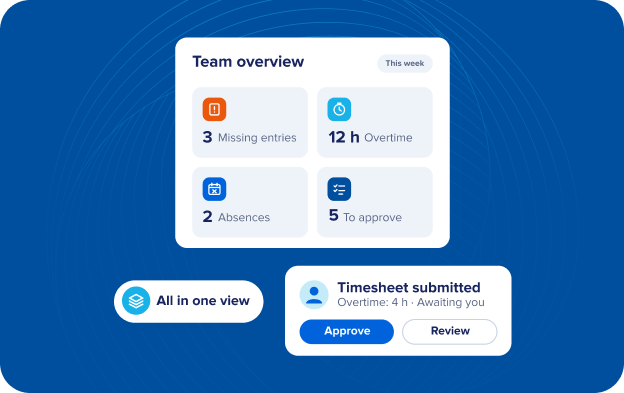
Managers need visibility of missing entries, overtime, absence and approval actions without having to reconcile information across different systems.
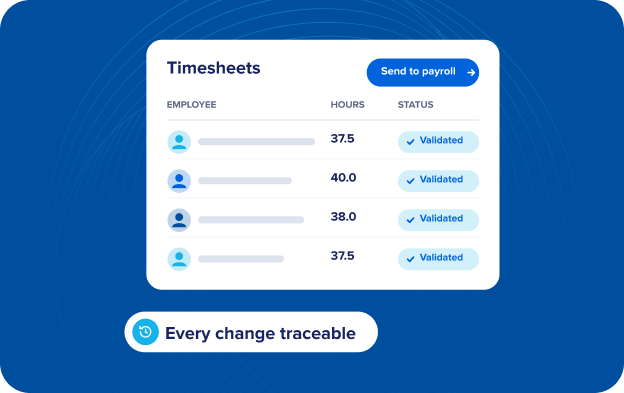
HR and payroll teams need time data that is validated, traceable and ready to support payroll processing, reporting and compliance reviews.
A time tracking system that only records hours solves a narrow administrative problem. A connected solution helps the organisation understand the relationship between working time, staffing requirements, employee experience and pay.
Working-time data sits at the intersection of employee rights, operational planning and payroll accuracy. It can show whether employees are receiving the correct pay, whether working patterns comply with applicable rules and whether managers have enough capacity to meet operational requirements.
This is particularly important in organisations where time is variable or difficult to administer. Shift changes, overtime, absences, rest periods, multiple contracts and local agreements can all affect the accuracy of payroll and workforce reporting.
In the European Union, the Working Time Directive establishes minimum requirements relating to working time, rest periods, breaks, annual leave and night work. The relevant rules still need to be interpreted and applied according to the countries and workforce groups in scope. Software can support that process, but it does not replace sound policy, clear accountability or local expertise.
Time tracking is increasingly connected to broader questions about compliance, cost control and workforce optimisation. Zalaris explores these issues in more detail in:
How organisations can manage time tracking across different countries, working patterns and compliance requirements.
Why connecting time data with HR and payroll can reduce administrative work and create a stronger basis for workforce planning.
How modern time and attendance systems support payroll, compliance, employee wellbeing and workforce operations.
PeopleHub provides a central environment for employee information, organisational structures and workforce administration. This helps establish a consistent foundation for other HR processes, including payroll, time, absence, talent and reporting.
How it works
Connect HR information with payroll processing and support payroll operations across multiple countries. Zalaris also provides managed payroll services for organisations that want to transfer some or all payroll responsibilities to an external team.
How it works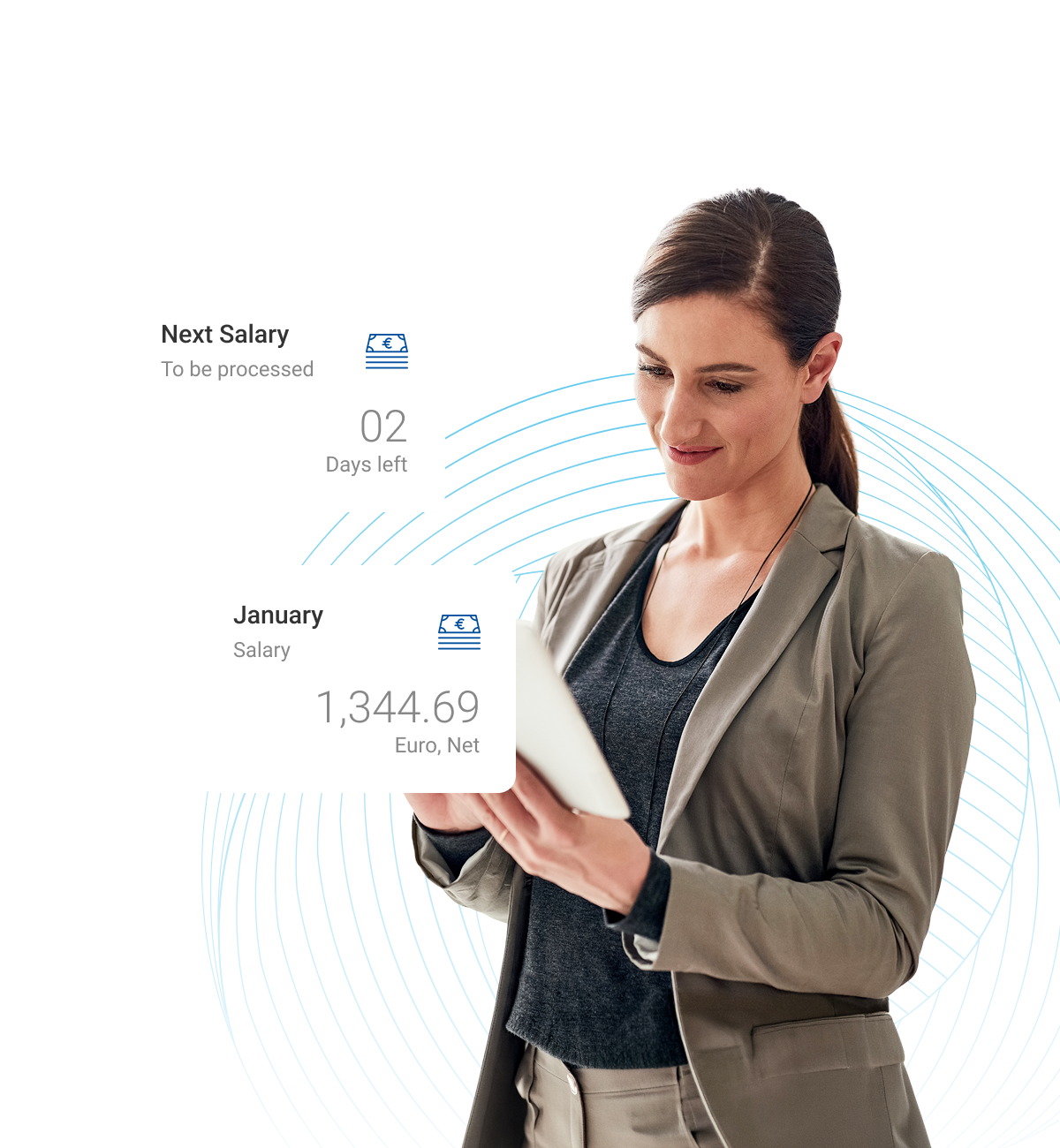
PeopleHub time and attendance software supports clocking, working hours, absence, leave, scheduling, overtime, approval workflows and payroll-ready data. The solution accommodates different working patterns and local rules, self-service access and integrations with Microsoft apps.
How it works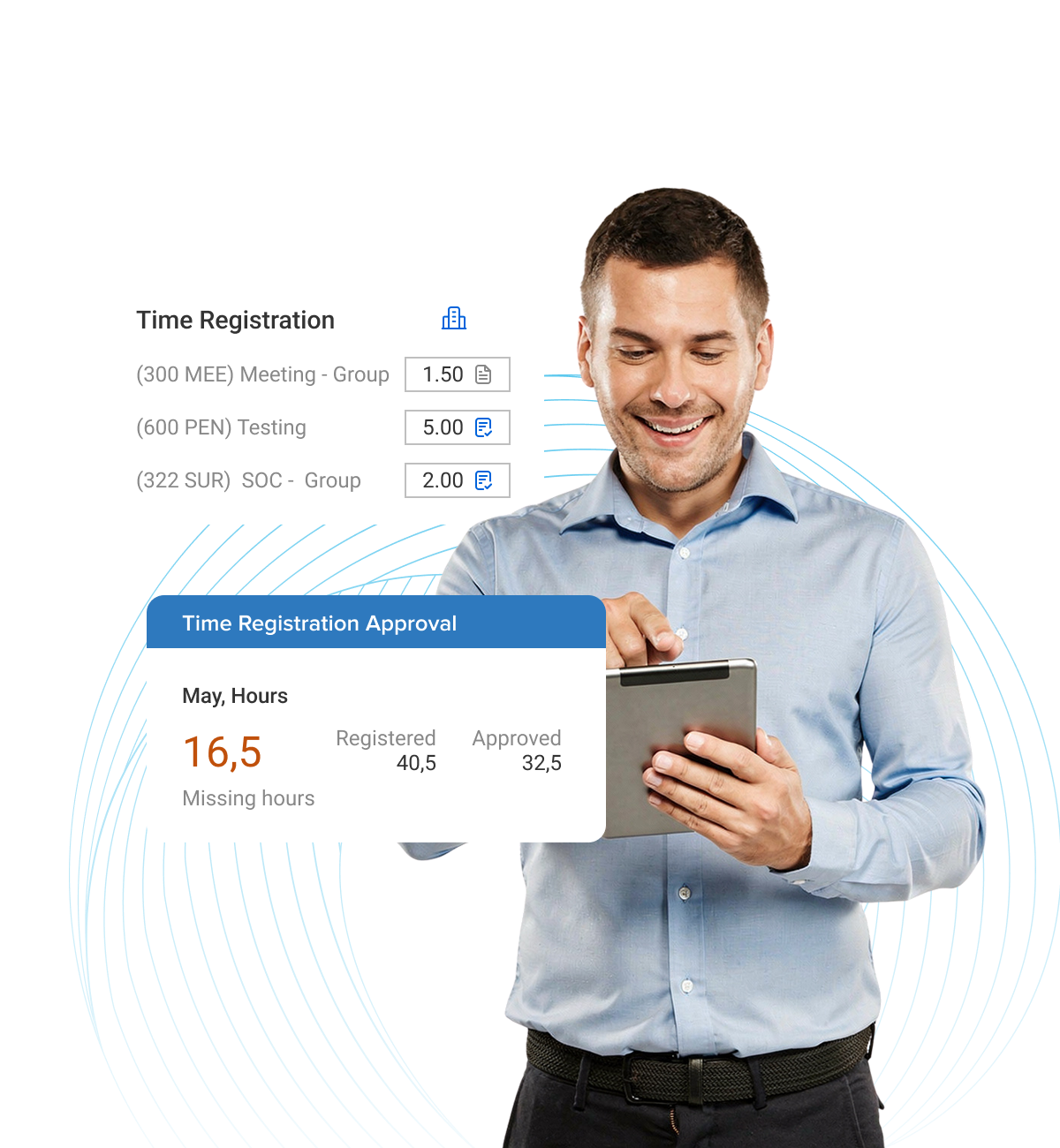
Capture receipts, approve claims, and reimburse employees - correctly taxed and paid through payroll. AI-powered data entry and policy checking supports accurate and automated expense tracking, making business travel a breeze.
How it works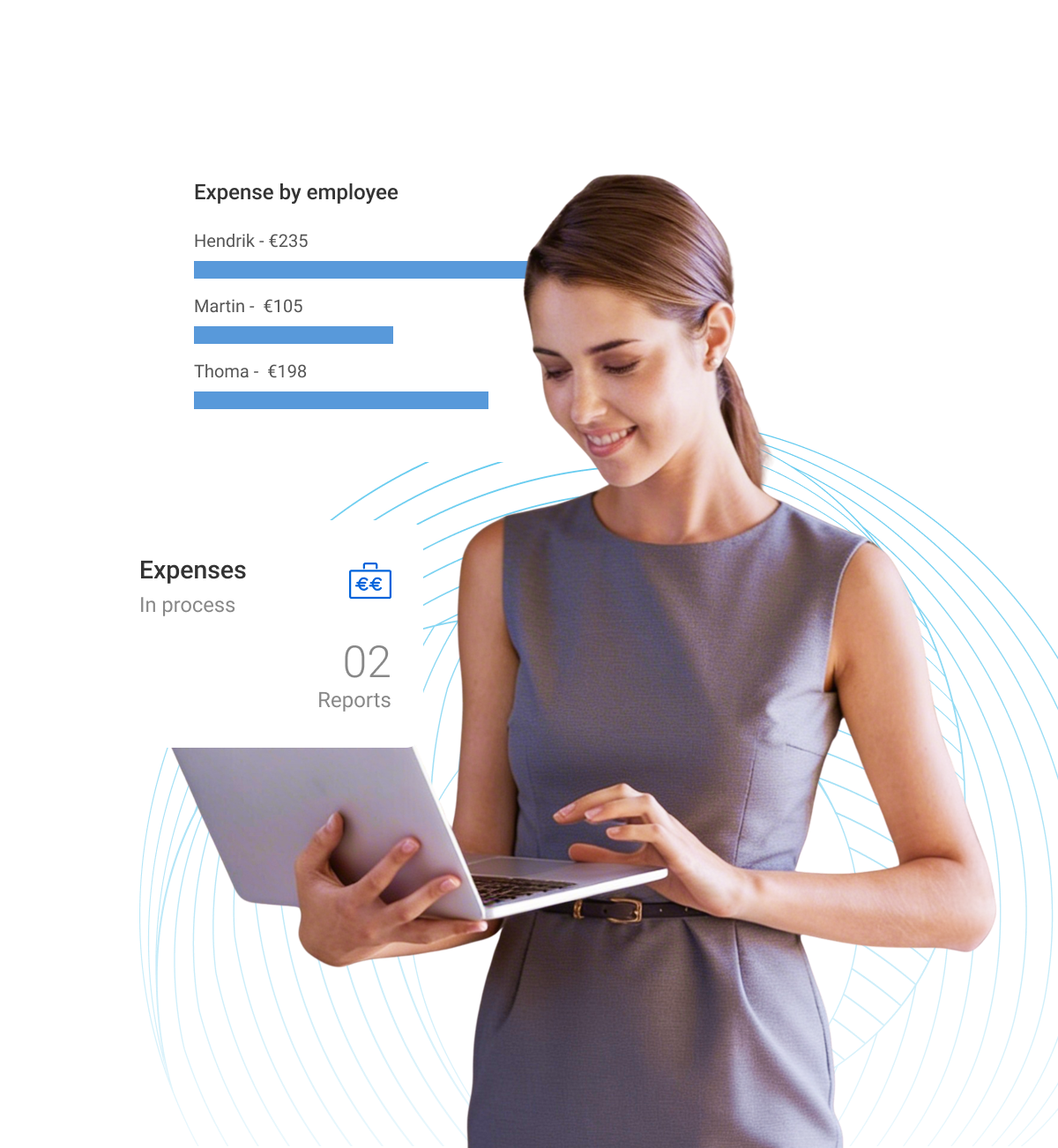
An HCM platform should support more than administration. PeopleHub can connect core employee information with recruitment, onboarding, performance, learning, development and other talent processes across the employee lifecycle.
How it works
Connected HR software creates a stronger basis for reporting. PeopleHub provides operational reporting for HR and payroll teams, as well as dashboards and analytics to support workforce decisions.
How it works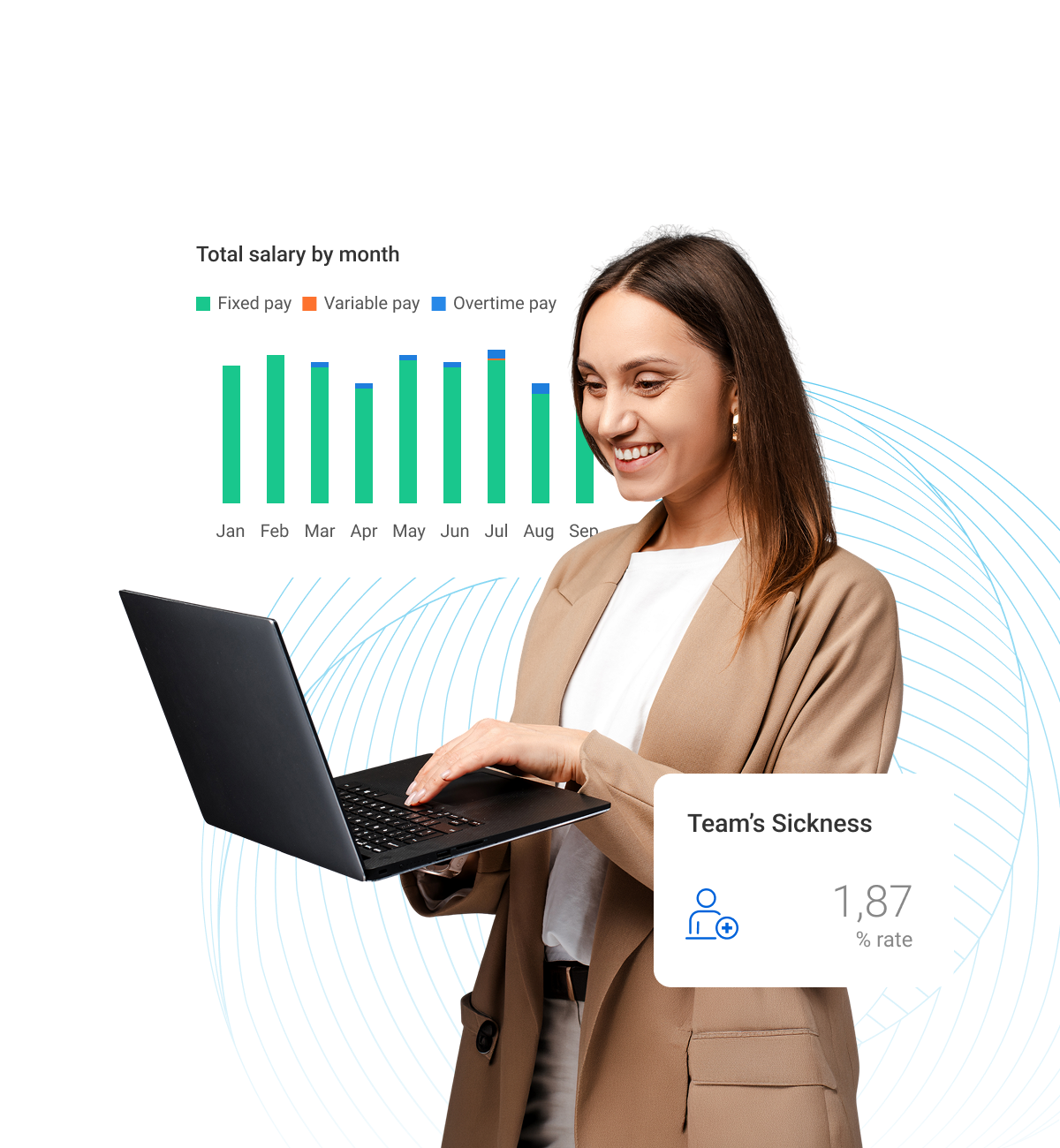

Complete platform implementation. Managed payroll services. System integration. 22-month rollout across all countries.
Successful separation from parent company systems. Global solution covering entire employee lifecycle. On-time delivery despite complexity. Local compliance maintained across all markets.