

Scale and innovation can coexist in HCM
For years, enterprise HR technology was often presented as a choice between scale and innovation. Established HCM platforms offered the global reach, breadth and enterprise capabilities required by large organisations, while newer platforms could often move faster and deliver more modern experiences.
That distinction is becoming much less relevant. Fosway evaluates Cloud HR providers across five dimensions: potential, performance, presence, total cost of ownership and trajectory. Performance incorporates market performance, customer success and advocacy, while presence considers factors including the size of the related business and enterprise customer base.
The recognition is notable because SAP SuccessFactors combines an established enterprise position with continued future potential.
Why this means for HR leaders?
The role of an HCM platform is expanding. Core HR remains fundamental, but organisations increasingly expect their HR technology to connect more of the employee lifecycle and provide a foundation for automation, workforce data and emerging AI capabilities.
That changes how organisations assess HCM technology. The decision is no longer only about the functionality a platform provides today. Leaders also need to consider whether it can support their current complexity and continue to evolve with the workforce and the business.
The value of a connected enterprise ecosystem
HR does not operate independently from the rest of the business. Workforce decisions influence finance, payroll relies on accurate HR and time data, and organisational changes affect workforce planning.
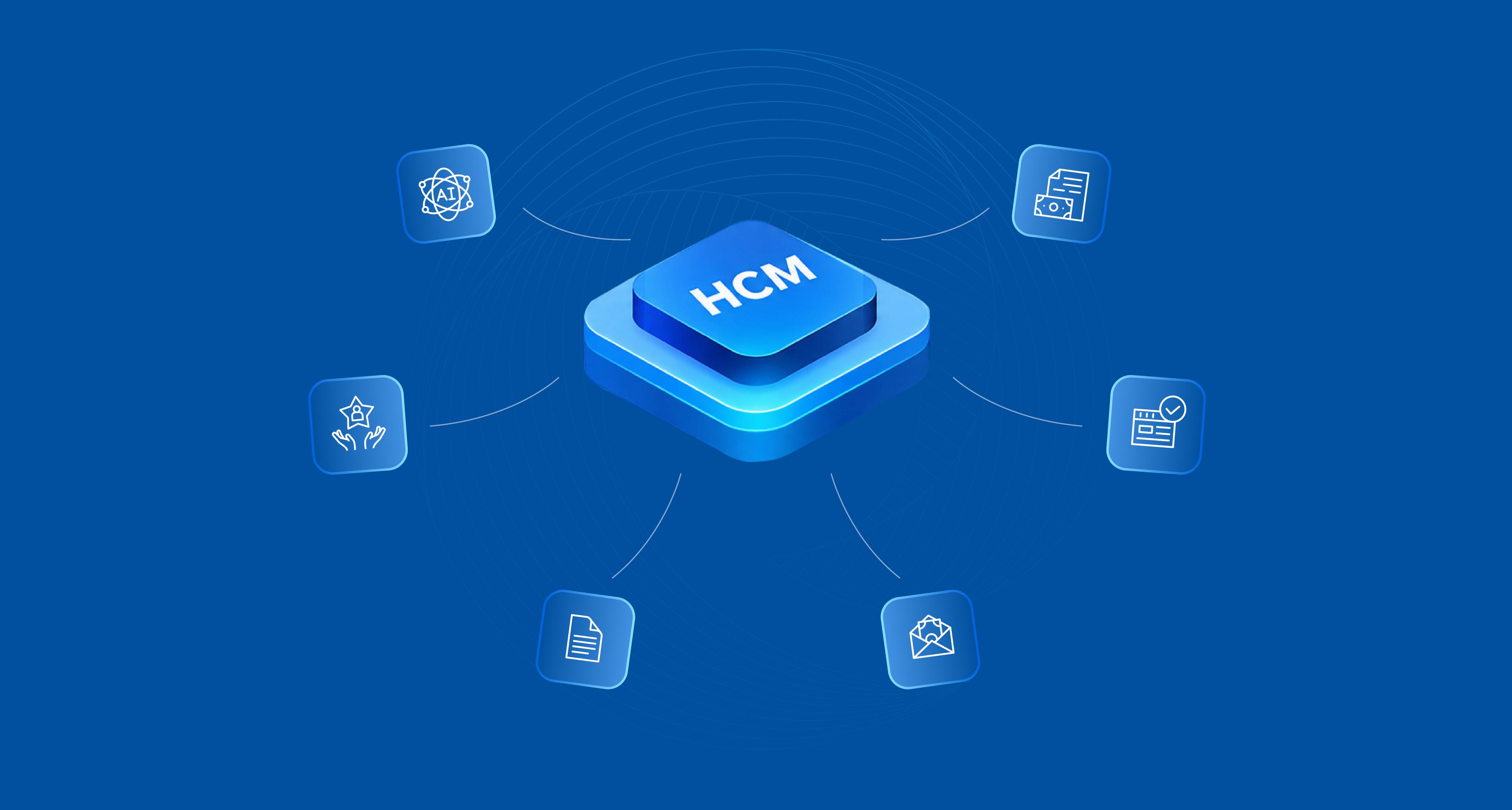
As HR technology evolves, the ability to connect people, processes and data across the organisation becomes increasingly valuable. For organisations already operating within the SAP ecosystem, this makes SAP SuccessFactors particularly relevant when considering the future architecture of HR, payroll and wider workforce technology.
Is SAP SuccessFactors the best HCM platform?
There is no single best HCM platform. Fosway makes this clear: its 9-Grid is designed to help organisations identify the right solution for their requirements, resources and operating environment.
For organisations considering a long-term HCM transformation, SAP SuccessFactors’ Strategic Leader position is one relevant piece of independent market evidence. It reflects the combination of enterprise presence, market performance and future potential that organisations need to weigh when making a long-term technology decision.
A Zalaris perspective
At Zalaris, we support managed HR and payroll customers across diverse technology environments, so we see first-hand that there is no single technology answer for every organisation. For our HCM consulting practice, however, SAP SuccessFactors is our strategic technology partner.
We help organisations turn that technology into practical business value. Our work covers SAP SuccessFactors implementation and cloud migration, integration, optimisation and ongoing support. This combines our 25+ years of SAP expertise with the HR and payroll knowledge required to make HCM transformation work in practice.
The next phase of HCM
The next phase of HR transformation is not simply about moving HR to the cloud. It is about creating an HCM foundation that can connect people, processes and data while continuing to evolve as AI, technology and workforce expectations change.
The 2026 Fosway 9-Grid recognition indicates that enterprise scale and future potential can increasingly exist within the same HCM platform. For organisations planning what comes next for HR, that is an important consideration.
Read the SAP announcement here.
Talk to Zalaris about SAP SuccessFactors and HCM transformation.