
A practical guide to multi-country time tracking solutions
Understand the compliance and operating challenges of cross-border time management.
Modern organisations need an HCM platform that connects employee data, payroll, time, absence, talent and reporting across the employee lifecycle. A connected HR system gives teams a more consistent way to manage everyday processes while giving leaders better visibility of workforce information.
The requirement becomes more complex across countries, business units and workforce groups. Local payroll rules, working patterns, collective agreements and existing enterprise systems all need to work together. The right HCM platform provides the technology foundation, but its value depends on clear process ownership, integration design, implementation and ongoing support.
Zalaris PeopleHub brings core HR, payroll, time and attendance, travel and expense, talent management and reporting together on one platform. Zalaris also provides consulting, implementation, integration and managed HR and payroll services, so organisations can choose the level of support that fits their operating model.
An HCM platform is a connected technology environment for managing people, processes and workforce information across the employee lifecycle. Depending on the provider and configuration, it may cover core HR, payroll, recruitment, onboarding, time and attendance, absence, talent, analytics, employee self-service and workforce management.
The terms below are related, but they are not always interchangeable:
| Term | Typical Focus |
|---|---|
| HR software | Digital tools for one or more HR processes, such as employee records, recruitment, absence, payroll or reporting. |
| HRIS | A human resources information system, typically focused on employee records, organisational data and core HR administration. |
| HRMS | A human resources management system. The term often describes core HR plus broader workflows such as payroll, time, absence and reporting. |
| HCM platform | A connected environment that brings together HR, payroll, talent, workforce management, analytics and employee experience capabilities. |
HRIS and HRMS are often used to describe the systems that organise employee information and administer HR processes. An HCM platform usually signals a broader, more connected approach, although providers use these labels differently. The practical test is whether the platform supports the processes, integrations, local requirements and service model the organisation needs.
An HCM platform creates a shared foundation for people data and workflows. Its exact scope depends on the organisation, but common capabilities include:
The benefit is not simply having more modules. When data and workflows connect, a change in one process can be carried through to the others. A new starter can move from recruitment to employee records and payroll. An approved absence can inform time data and pay. A change in working pattern can be visible to managers, payroll teams and reporting users without repeated manual entry.
An HCM platform can also support different operating models. An organisation may manage the platform and processes internally, use a co-managed model, or ask a service provider to operate selected HR and payroll activities. The technology should support the chosen model without making future changes unnecessarily difficult.
HR and payroll processes depend on many of the same employee records. Changes to an employee’s position, working pattern, pay, absence, bank details or tax status can affect payroll.
When HR and payroll systems are disconnected, information may need to be exported, reformatted, checked and re-entered manually. This creates additional work and increases the risk of delays, duplicate records and payroll errors.
An integrated HR and payroll environment can help organisations:
Integration does not remove the need for clear ownership. Organisations should still define who owns employee data, who approves changes, who validates payroll and who responds to employee enquiries.
Zalaris supports connected HR and payroll landscapes through integration services, including connections with SAP SuccessFactors, Workday, Oracle, HiBob and other systems. The approach can support full-cloud, hybrid or on-premise environments, depending on the architecture and roadmap.
Workforce management connects workforce planning with everyday decisions about staffing, working patterns, availability, absence and capacity. Time and attendance is one part of that picture. It becomes more valuable when approved time data can inform payroll, compliance, scheduling, workforce reporting and employee self-service.
Time tracking should therefore be treated as one connected capability within the HCM platform, rather than the centre of the page. Organisations with shift work, multiple locations, variable hours or country-specific rules should assess whether the solution can support local requirements while giving employees and managers a consistent experience.
Understand the compliance and operating challenges of cross-border time management.

Explore the cost and efficiency implications of disconnected time data.
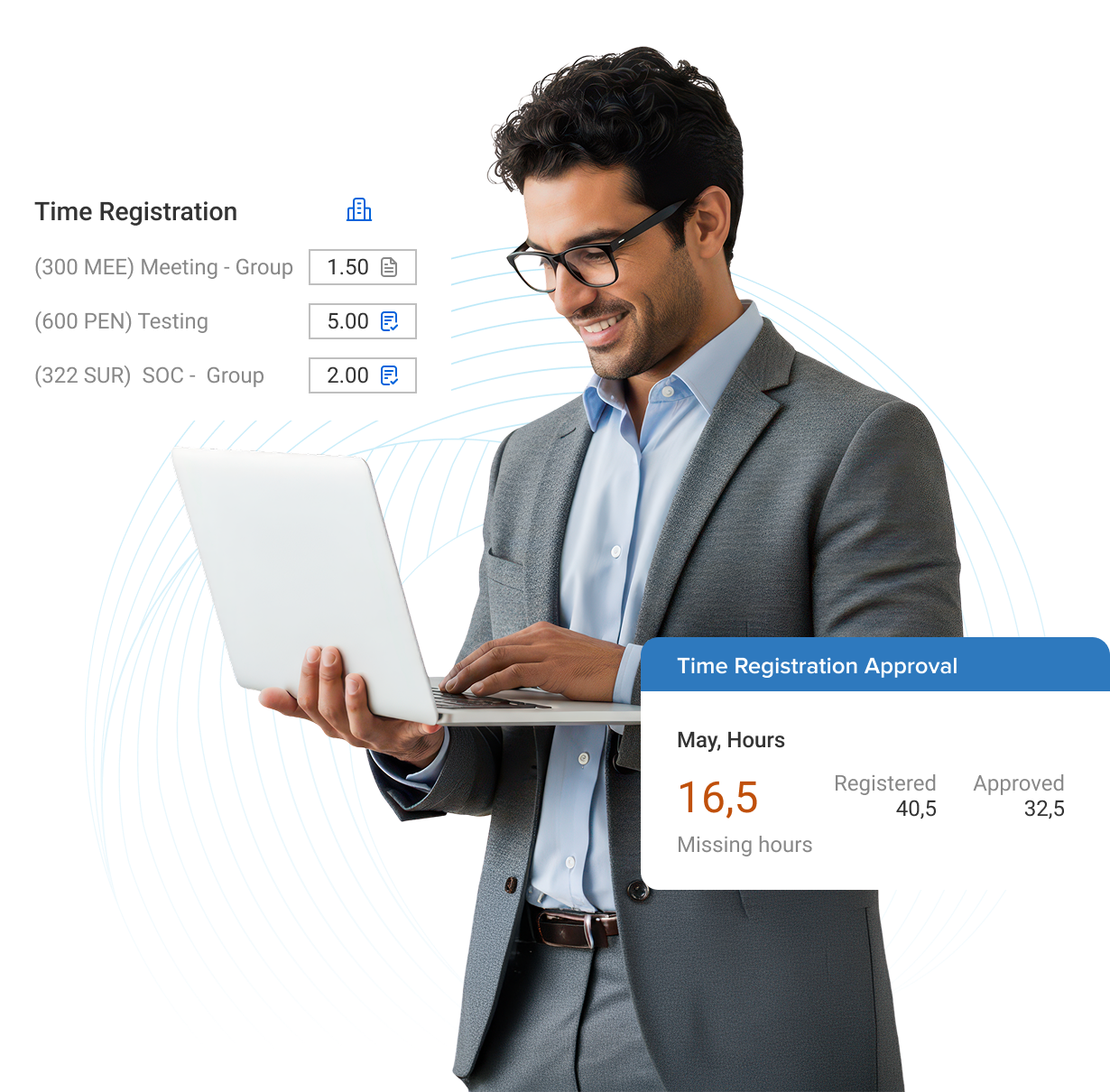
PeopleHub gives you one system of record for all working hours - across borders, shifts, and work patterns.
Choosing an HCM platform should begin with the organisation’s operating requirements, not a list of features. The platform needs to support the workforce groups, countries, processes and systems in scope, while remaining workable for employees, managers, HR, payroll and IT.
Key criteria to assess include:
Cloud and on-premise HCM platforms involve different trade-offs. Cloud platforms can support regular updates, scalability and less infrastructure ownership, but they still require careful configuration, integration and change management. On-premise or hybrid environments may provide more control over architecture and timing, but can require greater responsibility for infrastructure, upgrades and ongoing technical support. The right choice depends on the organisation’s strategy, risk profile, existing landscape and readiness for change.
For a structured comparison of enterprise HR platforms, see the HR software comparison guide. For implementation planning, see five common HR software implementation mistakes.
An HCM platform delivers value when its technology, processes and service model work together. Zalaris PeopleHub provides the software foundation, while Zalaris Consulting supports strategy, process design, implementation, configuration, data migration, integration, testing, change support, cloud migration, post-go-live optimisation and application support. Zalaris Managed Services can operate payroll and selected HR processes at the level the organisation requires.
This means organisations can choose the scope that fits their situation, from implementing a connected platform to combining technology with ongoing operational support. PeopleHub can support core HR, payroll, time and attendance, travel and expense, talent management, reporting and employee self-service through one connected environment.
Explore Zalaris PeopleHub or speak to a Zalaris expert about your HCM platform requirements.
Centralise employee information, organisational structures and workforce administration as the foundation for payroll, time, talent and reporting.
Explore Core HR
Connect HR information with payroll processing and support payroll operations across multiple countries.
Explore payroll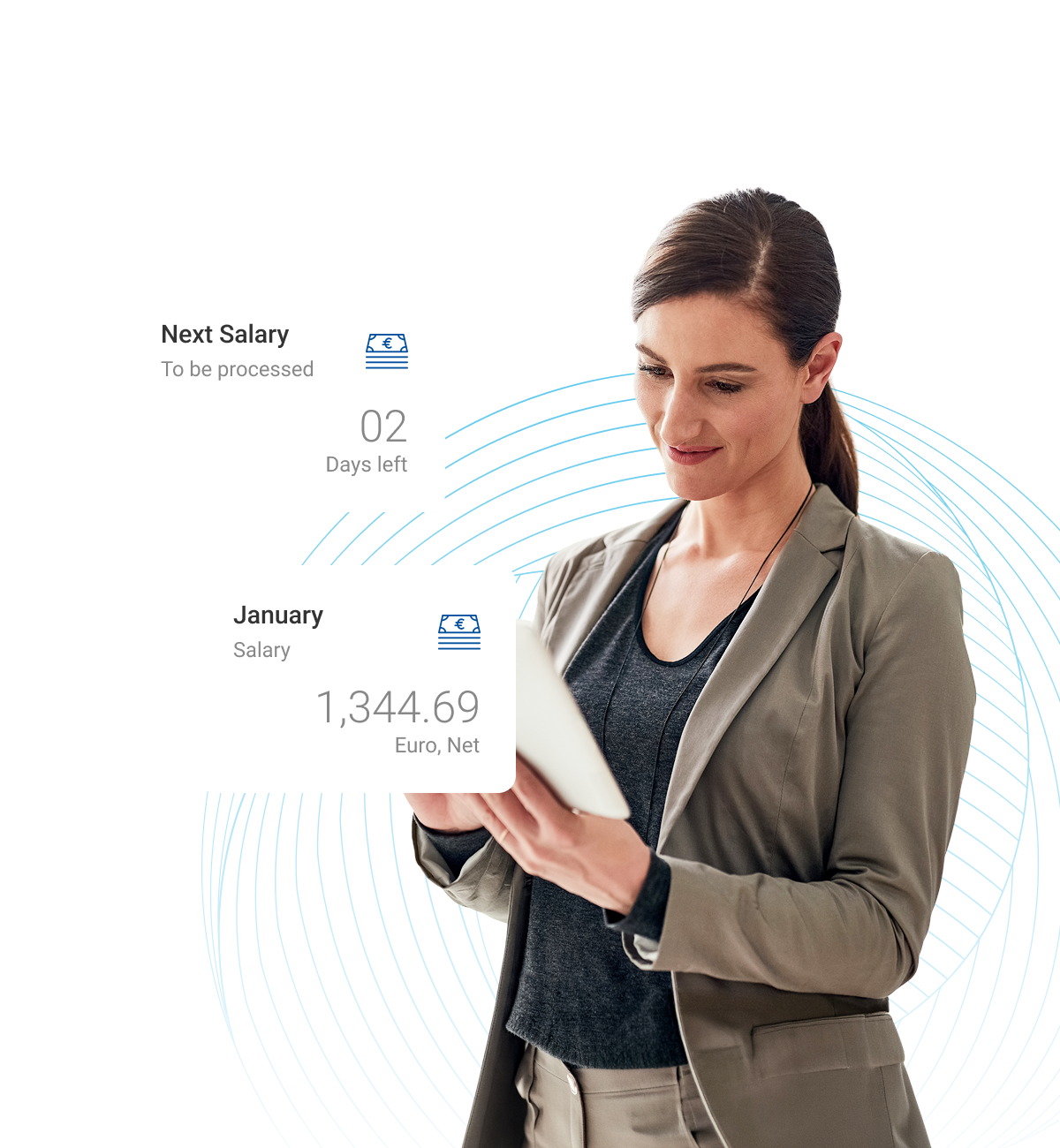
Capture working time, absence, leave, scheduling and approvals, with data that can support payroll and compliance.
Explore time and attendance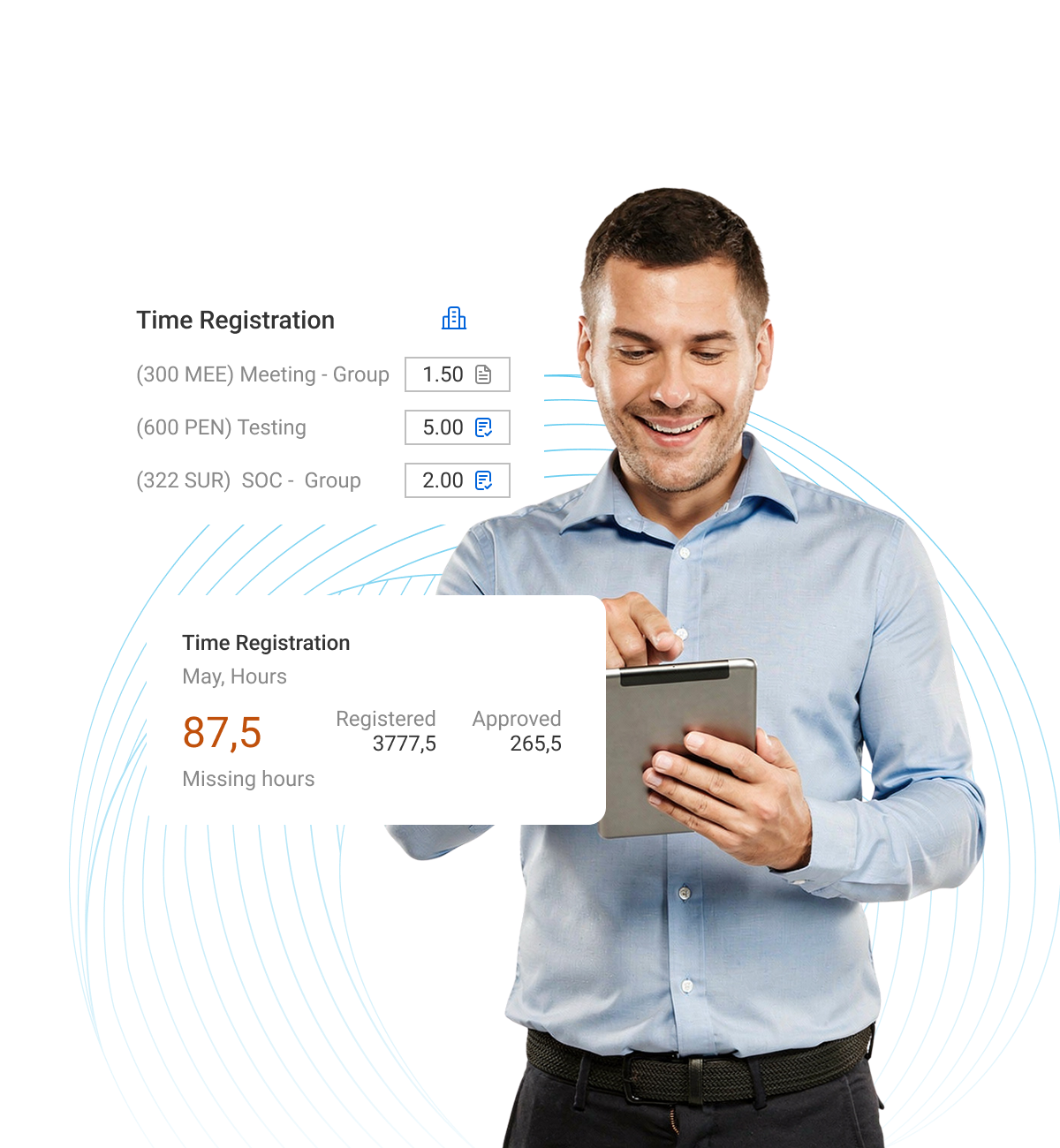
Connect recruitment, onboarding, performance, learning and development with core HR and payroll.
Explore talent management
Use connected HR and payroll data to support operational reporting and workforce decisions.
Explore people analytics

Complete platform implementation. Managed payroll services. System integration. 22-month rollout across all countries.
Successful separation from parent company systems. Global solution covering entire employee lifecycle. On-time delivery despite complexity. Local compliance maintained across all markets.